Quick answer
Brow and lip blush appointments should begin with clear consultation arrangements, individual assessment and a discussion of your expectations. They concern different areas and choices, so do not assume that one treatment plan describes the other. Ask what each proposed appointment involves before committing to a procedure.
If you want to discuss both, explain that when you enquire. The practitioner can clarify the appropriate consultation process, suitability questions and scheduling rather than leaving you to plan from a general website description.
Prepare these points:
- Which area or areas you want to discuss.
- The preferences you want the practitioner to understand.
- Any previous pigment or relevant treatment.
- Questions about risks, limitations and aftercare support.
Are you arranging a consultation or a procedure?
Check the purpose of the appointment first. An initial enquiry about lip blush or brows does not mean that a procedure has been agreed. Therefore, ask what happens at the stage you are arranging and what information you need to provide.
You may be researching an option without knowing whether it fits your circumstances. That is a valid starting point for a consultation. You do not need to select a finished design or a particular treatment outcome before asking questions.
If the booking information is unclear, request a plain-language explanation. Knowing whether you are discussing options, reviewing previous work or arranging a confirmed plan helps you prepare accurately and avoids assumptions about what will happen on the day.
What is different about discussing brows?
A brow enquiry may concern shape, definition or a particular style you have seen. Our Finchley services include microblading, machine nano brows and powder or ombre brow options. However, these descriptions do not tell you which approach is suitable for you.
Explain what you currently do with your brows and what you want to understand about a proposed procedure. You can describe preferences without trying to identify the correct method yourself. Then ask the practitioner how the options relate to your individual assessment.
Also, mention previous brow pigment. Even if it looks faint, do not assume it has no relevance. Ask how to provide the available records and let the practitioner explain what they can assess before discussing a plan.
What should a lip blush enquiry explain?
Start by saying what you want to discuss about lip colour or definition. Avoid assuming that a shade shown on another person will produce the same appearance for you. A reference can support communication, but it is not a promise.
Ask how the consultation considers your preferences and individual suitability. You should also understand what the proposed approach cannot guarantee. A description that focuses only on the desired appearance leaves important questions unanswered.
Tell the practitioner about relevant previous treatment and ask how to provide health information through the appropriate process. This article cannot decide which details affect suitability or give preparation instructions. Those questions need the person responsible for your assessment and care.
Can you use the same reference image for everything?
An image can help illustrate a feature you like, but it does not replace a conversation. Brows and lips involve different preferences, so identify the actual detail you want to discuss rather than asking for a complete copy of another person’s face.
For example, you might want to explain the amount of brow definition you prefer or the type of colour impression that interests you. Ask the practitioner what can usefully inform the discussion and what is unrealistic to transfer directly.
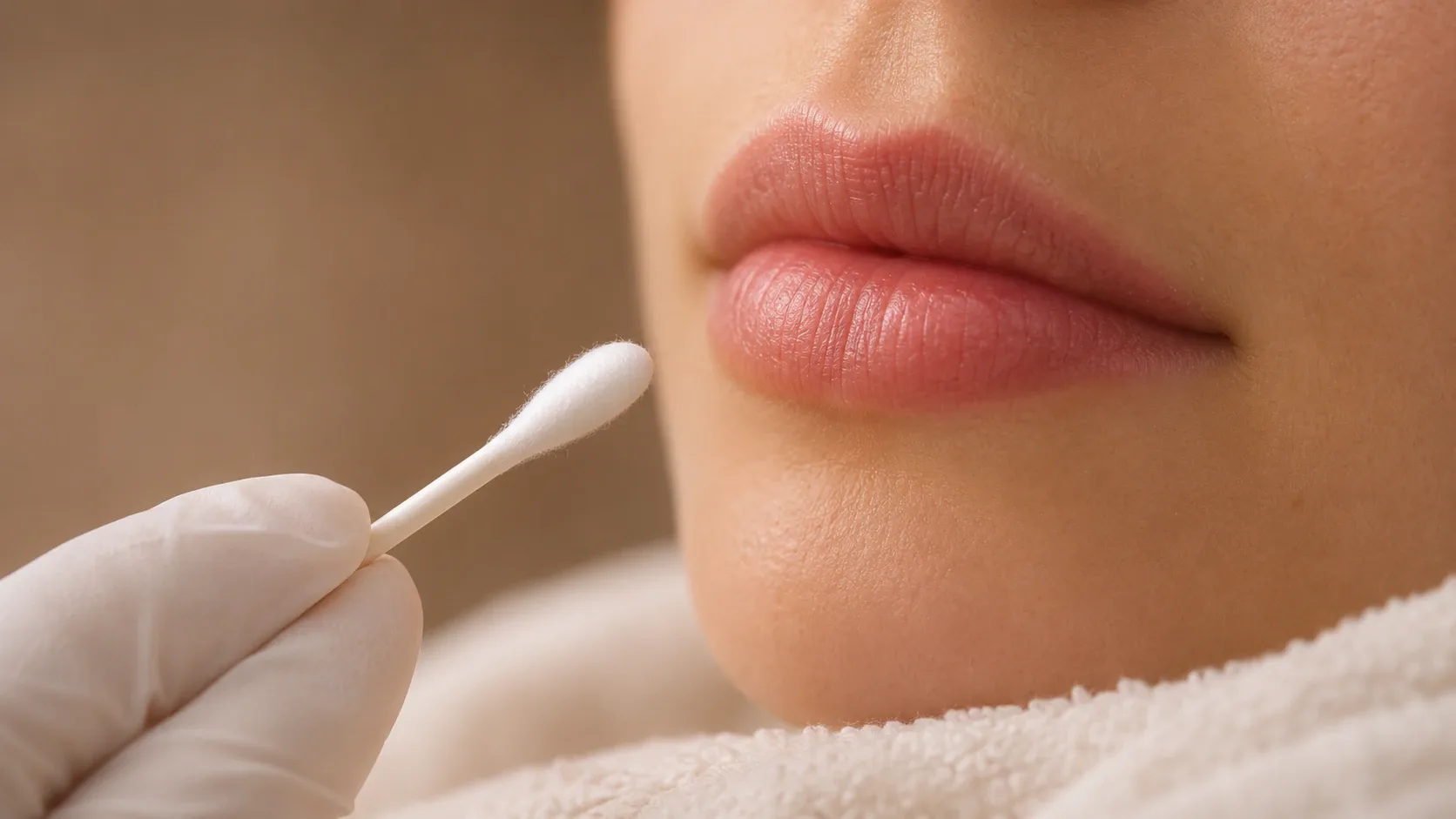
Our site uses generated illustrative photographs, not actual client outcomes. Consequently, those images should never form the basis of a prediction about your result. A consultation needs accurate information about you and a clear explanation of the proposed approach.
Which questions should you ask about the plan?
Ask the practitioner to describe the purpose of the proposal, its limitations and the possible risks. You should also understand the alternatives and the option of not proceeding. Clear information matters more than an appealing treatment label.
Useful questions include:
- Why are you proposing this approach?
- What can it reasonably aim to do?
- What are the limitations and relevant risks?
- Would further appointments or reviews be involved?
- What information do I need before deciding?
If you are discussing more than one area, ask these questions for each proposal. Do not assume that an answer about a brow procedure also describes lip blush. Keep any written information so you can review it without relying only on memory.
How do you check the practitioner arrangements?
Confirm who would carry out each proposed procedure and ask about their relevant training, experience and insurance. Also, clarify the contact route for follow-up questions or concerns. A general clinic name does not explain every person’s role.
The NHS advice on choosing a cosmetic practitioner provides useful questions to consider before proceeding. It encourages checking the actual practitioner and care arrangements rather than judging only by promotional material.
Take time to consider the answers. If a point remains unclear, ask for clarification before agreeing to treatment. You should not treat a first enquiry or a discussion of preferences as a reason to rush the decision.
What should you know about preparation and care?
Ask for individual instructions from the practitioner if a procedure is proposed. Do not follow a routine copied from another person’s appointment or an unrelated blog. The appropriate information depends on the procedure and your circumstances.
Also, clarify how aftercare information reaches you and who explains it. You should know the contact arrangements for questions before treatment. This article does not provide a recovery schedule, diagnose reactions or advise changes to medicines or skincare.
If a future event or travel commitment affects your plans, mention it during the consultation. Ask the practitioner to explain any implications rather than choosing a date from a generic healing estimate. Individual advice should guide that decision.
How do you arrange the practical visit?
Confirm the appointment location in Finchley and check the complete journey. Broad driving estimates from surrounding towns can help you plan, but traffic and parking can change the actual time. Include the final walk or onward transport as well.
Before the visit, keep a short note of your preferences, previous treatment and unanswered questions. You do not need a long presentation. A clear, accurate summary gives the conversation a better starting point than trying to remember everything under pressure.
Use our WhatsApp button to ask about consultation arrangements for brows, lip blush or both. Ask how to share sensitive information appropriately, and take the time you need to understand any proposed next step.
Frequently asked questions
Can this article tell me which brow method to choose?
No. It helps you prepare questions. Individual suitability and the proposed method need consultation with the practitioner.
Should I assume brows and lip blush can share an appointment?
No. Explain your interest in both and ask about the appropriate assessment and scheduling arrangements.
Can a reference photograph guarantee the result?
No. It can communicate a preference, but it cannot predict an individual outcome or replace a personal assessment.